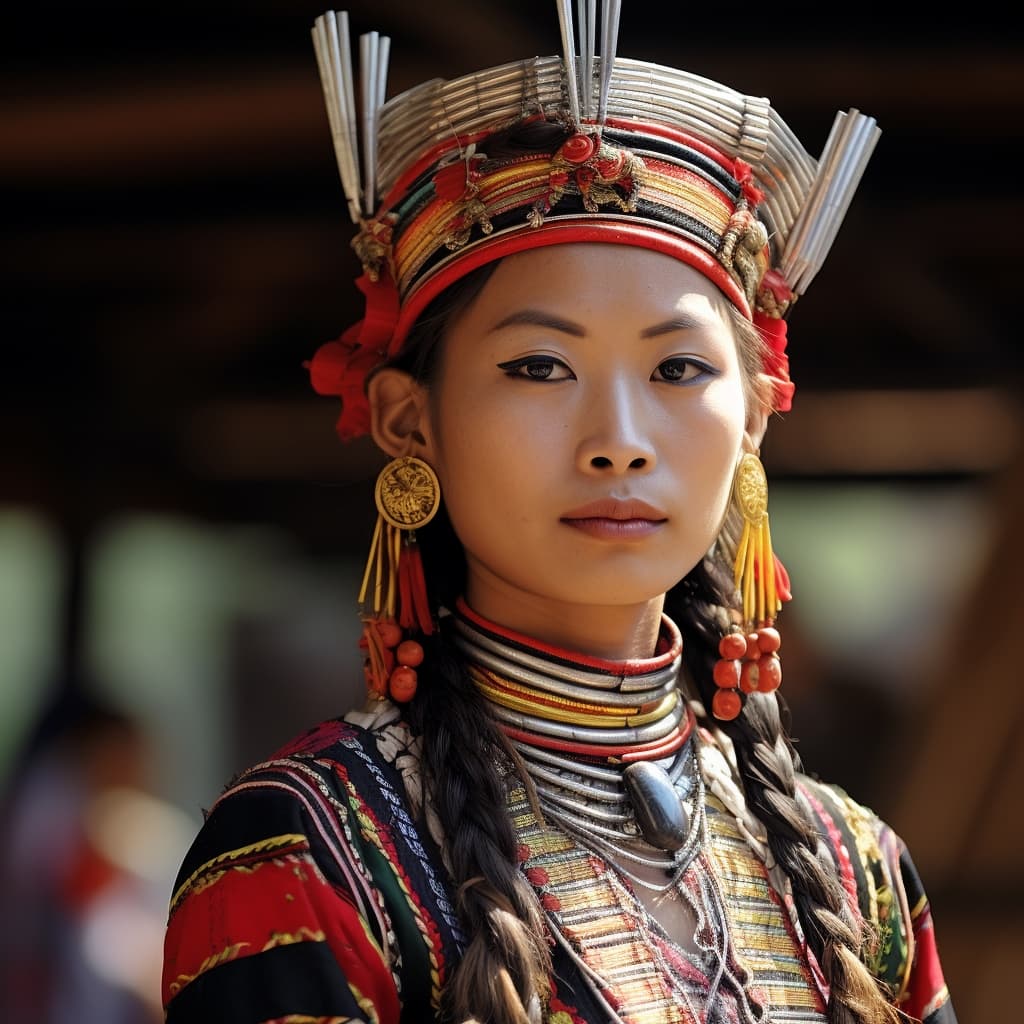
Shan Erotic
Shan State (Myanmar)
Kra–Dai / Tai / Shan
Buddhism / Theravada Buddhism
Southeast Asia
About Shan People
The Shan call themselves Tai Yai — "great Tai" — and they belong to the same broad family as the Thai of Bangkok, the Lao across the Mekong, and the Dai of Yunnan. What makes them distinct is the territory they hold: a high, folded plateau in eastern Myanmar that sits above the Burmese lowlands like a separate country, which for most of its history is exactly what it was. Until the British rolled the Shan princely states into colonial Burma in the late nineteenth century, the plateau was governed by some thirty-odd saopha — sky lords — each running a valley principality with its own court, currency, and treaties. That memory of statehood has not gone away, and it is the backdrop to nearly everything that has happened in Shan State since independence in 1948.
The Shan language is Tai, written in a rounded Burmese-derived script that looks nothing like Thai or Lao on the page even though a Thai speaker can usually catch the gist of a sentence spoken slowly. It is the lingua franca of the plateau, but the plateau itself is not ethnically Shan all the way through — Pa-O, Palaung, Wa, Lahu, Akha and others share the hills, and a Shan town is typically the market floor of a much larger non-Shan upcountry. Religion follows the Tai pattern: Theravada Buddhism, monastery-centered, layered over older spirit beliefs that nobody pretends are gone. Village nat shrines sit at the base of stupas; novitiation ceremonies for young boys, called poy sang long, dress the candidates as miniature princes in echo of the Buddha's own renunciation, and the festival is one of the genuinely distinctive things the Shan do that their Tai cousins do not.
Daily life on the plateau runs on wet rice in the valleys, tea and fermented tea-leaf salad in the hills — lahpet, which the Burmese borrowed and made famous, is a Shan habit at its root — and a long border economy with Yunnan that has been alternately legal, illicit, and the subject of armed dispute for seventy years. The civil war between Shan armed groups and the Myanmar military has shaped two or three generations now, and it accounts for the sizeable Shan diaspora across northern Thailand, where migrant workers, traders, and refugees have built a recognizable second home around Chiang Mai and Mae Hong Son.
Typical Shan Phenotypes
Reference for AI generation — hair, eyes, skin, facial structure, build
The Shan are a Tai-speaking people of the eastern Myanmar highlands, and their phenotype reads as a softened northern-Tai variant — closer to Dai of Yunnan and northern Thai than to the Bamar lowlanders who surround them. Skin tones cluster in the Fitzpatrick III–IV range, lighter on average than central Burmese populations, with warm yellow-gold or light olive undertones; deeper IV–V tones appear in the southern and western valleys where Shan have intermarried with Bamar, Pa-O, and Karen neighbors. Sun exposure from terraced agricultural work produces sharp tan-line contrast on rural Shan that's less visible on urban populations in Taunggyi or Kengtung.
Hair is uniformly black or very dark brown, straight to faintly wavy, coarse in texture and heavy. Premature silvering is uncommon. Eyes run dark brown to near-black; the epicanthic fold is near-universal and tends toward the smooth, single-lid morphology rather than the deep double crease — though double lids appear, particularly in younger generations and in mixed Shan-Bamar lineages. Eye shape is typically narrow and slightly upturned at the outer canthus.
Facial structure is the clearest tell. Shan faces tend toward broad, flat midfaces with high but rounded zygomatic arches, low and wide nasal bridges, and moderate alar width — noses are rarely sharp or projecting. Lips are medium-full, often with a well-defined cupid's bow. Jawlines are softer and more tapered than the squarer Bamar pattern, giving Shan faces an oval-to-heart shape; the actress Wutt Hmone Shwe Yi sits within this range.
Build is small-framed and gracile. Adult male stature averages around 162–166 cm and female around 150–155 cm, with slim shoulders, narrow hips, and low body-fat distribution that holds into middle age. Subgroup variation runs along a north-south axis: northern Shan (Tai Long, Tai Mao) trend lighter-skinned and more Yunnanese in feature, while southern and Shan-ni groups shade darker and rounder-featured through proximity to Bamar and Palaung populations.
Data depth
37/100Coverage of image-grounded phenotype observations · drives AI generation diversity
- Sample size
- 10/40· 3 images
- Image quality
- 17/30· 33% high
- Confidence
- 10/20· mean 0.68
- Source diversity
- 0/10· wikipedia
- ·Small sample (n<10)
- ·Wikipedia-only source — not population-representative
Observed Distribution — Image Sample
Empirical observations from analyzed photographs · supplementary signal, not population truth
Sample: 3 images analyzed (3 wikipedia). Quality: 1 high, 1 medium, 1 low, 0 very_low. Avg analyzer confidence: 0.68.
Skin tone (Fitzpatrick): III (33%), IV (67%)
Hair color: black (67%), light/medium brown (33%)
Hair texture: straight (67%), covered (33%)
Eye color: dark brown (100%)
Epicanthic fold: 100% present, 0% absent, 0% unclear
Caveats: Sample size 3 is small — observed distribution should be treated as suggestive, not definitive. Sample is 100% Wikipedia notable people — skews toward male, public-life, and modern figures, not population-representative.
Last aggregated: May 7, 2026
Explore phenotype categories
Structured taxonomy with peer-reviewed scales · 22 anatomical categories
Notable Shan People
4 reference figures — sourced from Wikipedia
- Sao Shwe Thaik — first president of Myanmar
- Sai Wan Leng Kham — Shan politician
- Sao Kya Seng — Shan engineer and politician
- Wutt Hmone Shwe Yi — Burmese actress
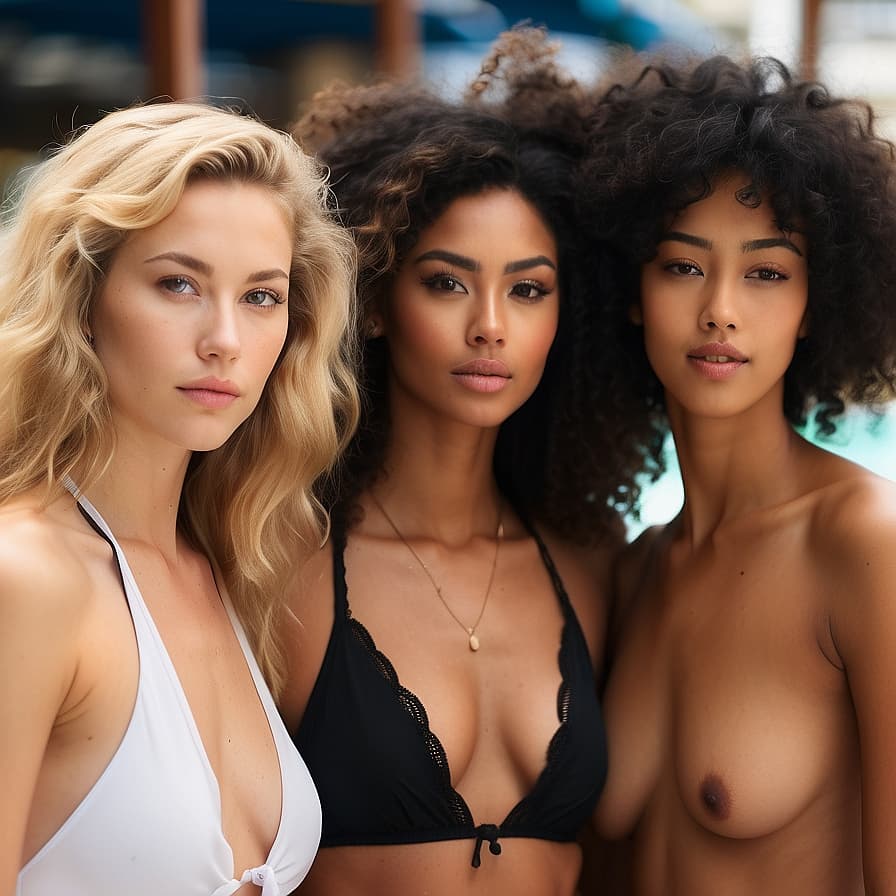
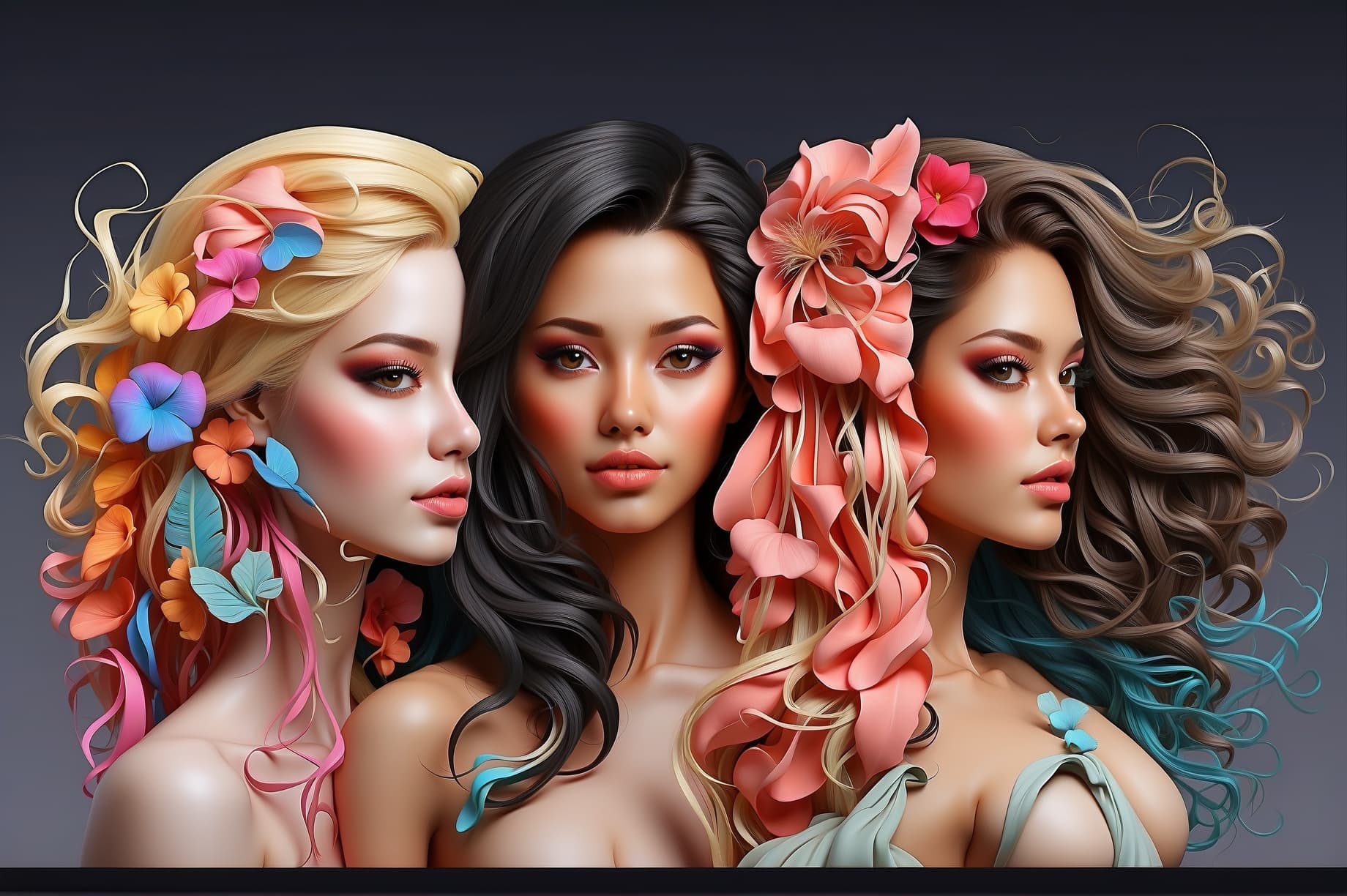
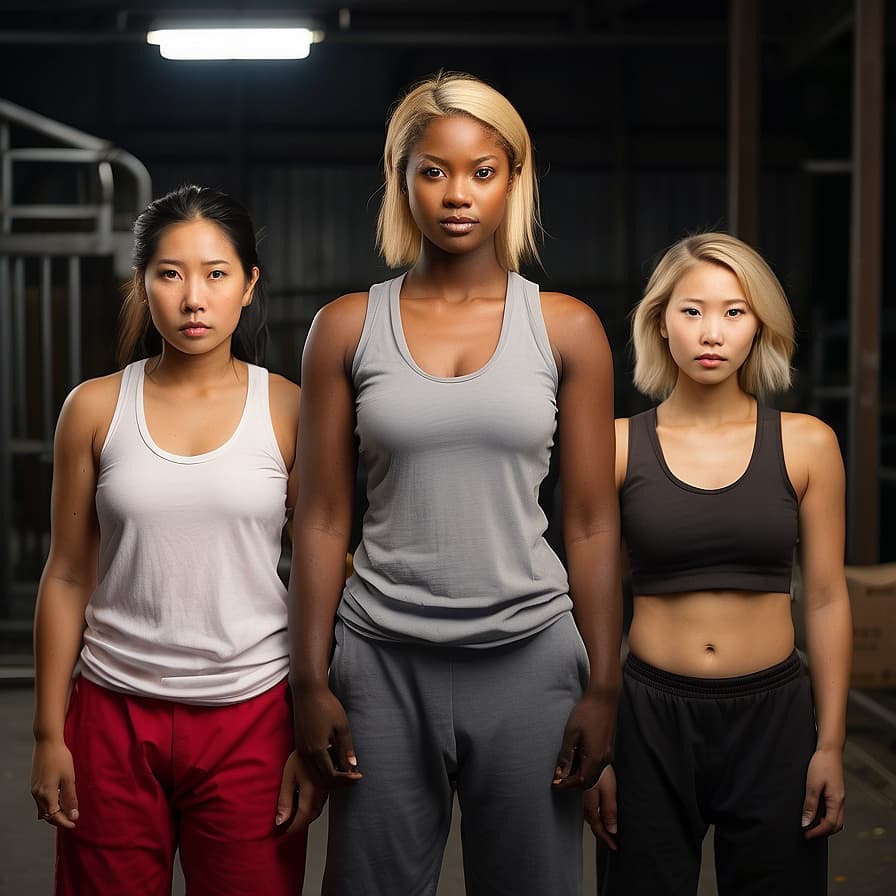
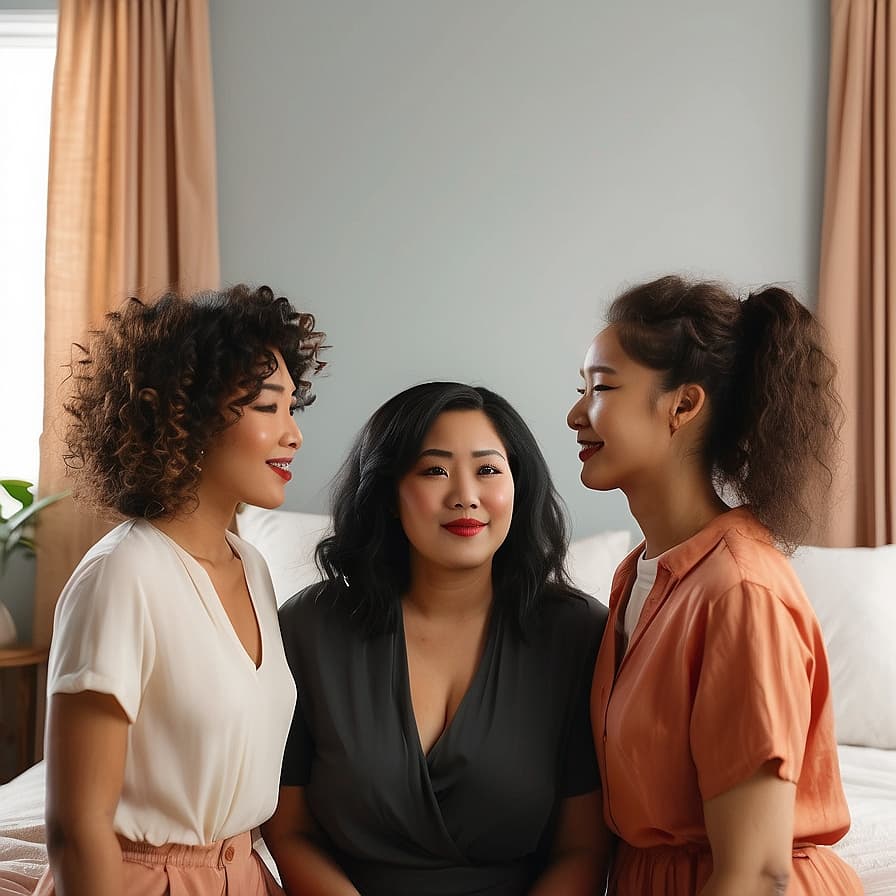


Generate Shan AI Content
Use this ethnicity's phenotype data to create AI-generated content with accurate physical traits and cultural context.
Open Creator Studio