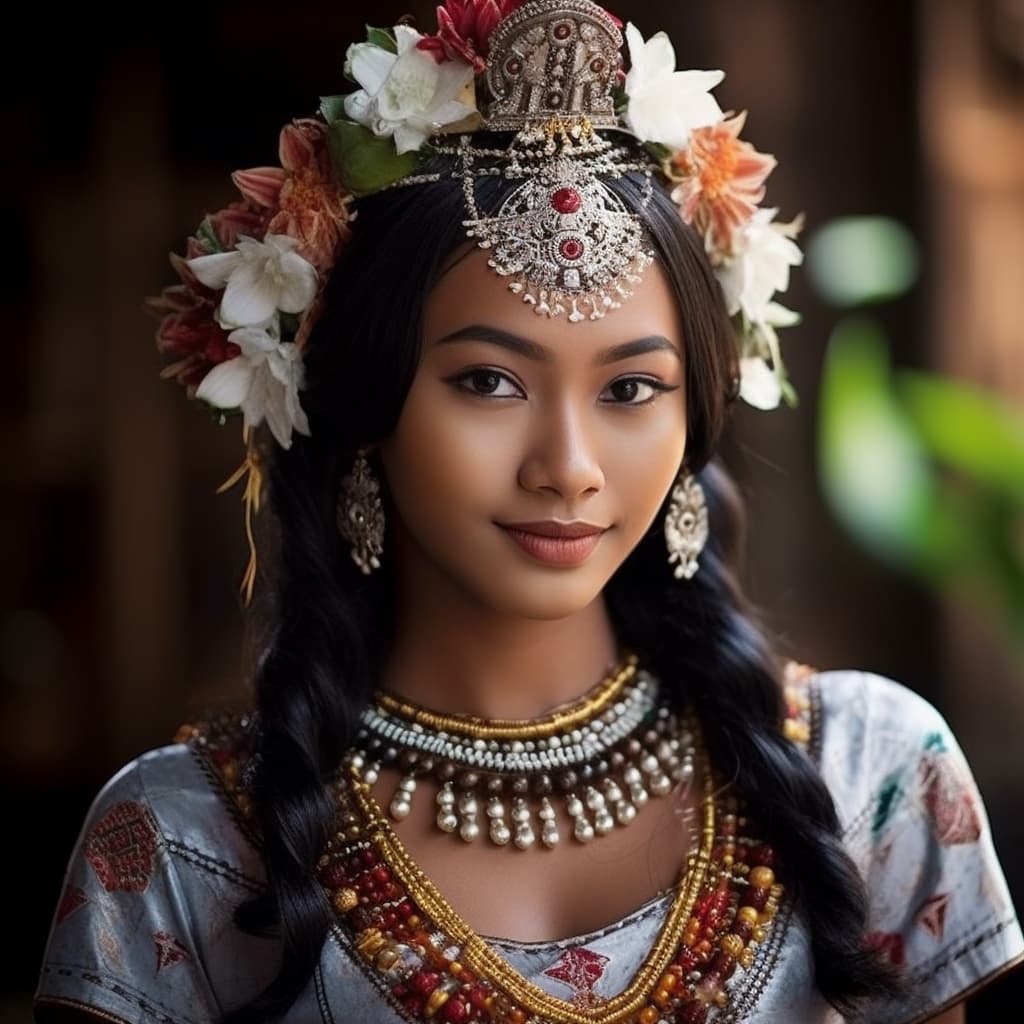
Madurese Erotic
Madura (Indonesia)
Austronesian / Madurese
Islam / Sunni Islam
Boyanese
Southeast Asia
About Madurese People
The Madurese come from a hard, dry island just off Java's northeast coast — Madura — and the contrast with their neighbor shapes nearly everything outsiders notice about them. Where Java is wet, terraced, and rice-rich, Madura is limestone and salt pan, and the agricultural rhythm runs to maize, cassava, tobacco, and the country's most famous sea-salt works. That ecology pushed Madurese off-island for centuries: they are one of Indonesia's great migrant peoples, with substantial communities across East Java, in the transmigration belt of Kalimantan, and — as the Boyanese branch — settled in Singapore and the Malay Peninsula since the nineteenth century, where they kept a distinct identity long after the colonial era ended.
Their language belongs to the Austronesian family but sits awkwardly among its closest neighbors; it is not mutually intelligible with Javanese, and like Javanese it carries a layered system of speech levels that encode rank and intimacy with every sentence. Madurese is a working language at home and in the pesantren — the Islamic boarding schools that are unusually dense on the island and have produced a disproportionate share of Indonesia's traditional clerical leadership. Religious life is Sunni and runs through the Nahdlatul Ulama current rather than the reformist strain: santri culture, kiai authority, devotion to local saints' tombs, and a calendar punctuated by Maulid recitations and pilgrimage to ancestral graves.
The Madurese reputation within Indonesia is for bluntness, physical courage, and a sharper sense of personal honor than the Javanese politeness register encourages — a reputation Madurese themselves often endorse. Carok, a formalized duel with the curved celurit sickle, is the most cited expression of that honor code and, while now rare and prosecuted as homicide, still surfaces in disputes over land, lineage, or a wife. Less grimly, the island is known for kerapan sapi, the bull races held on packed-dirt tracks where pairs of bulls haul a standing jockey at full sprint; the winning animals are bred, groomed, and valued like racehorses.
The Boyanese — named for Bawean, a smaller island administered as part of East Java — are culturally Madurese-adjacent rather than identical, with their own dialect and a long maritime tradition that took them to Singapore as sailors and horse-grooms. They remain a recognized Malay sub-community there, a quiet reminder of how far this island's people have travelled.
Typical Madurese Phenotypes
Reference for AI generation — hair, eyes, skin, facial structure, build
The Madurese phenotype sits firmly within the Austronesian Southeast Asian range but tends to read sharper and more weathered than neighboring Javanese — a population shaped by centuries on a dry, limestone island and heavy involvement in seafaring and salt work. Hair is almost uniformly black or near-black, straight to gently wavy, with coarse to medium texture; sun-bleached red-brown tips are common in fishermen and farmers. Premature graying is not unusual. Body and facial hair is light, though men more often carry a thin mustache or sparse beard than Javanese men of similar age.
Eyes are dark brown to near-black, almond-shaped, with a partial epicanthic fold that's typically less pronounced than in mainland East Asian populations — the lid crease is usually visible. Skin tone ranges across Fitzpatrick III to V, with a warm olive-to-bronze undertone; working populations on Madura's sun-exposed coast and tobacco fields skew noticeably darker than the Javanese mean, and the contrast between sun-exposed forearms and covered torso is often striking.
Facial structure is where Madurese distinctiveness shows up most. Compared to Javanese, faces tend to be more angular: a straighter, narrower nose bridge with moderate alar width, more defined cheekbones, and a stronger, squarer jawline — features sometimes described locally as tegas, firm. Lips are medium-full, often with a well-defined cupid's bow. Brow ridges are modest but present.
Build runs lean and wiry rather than stocky. Average male stature falls around 162–166 cm and female around 150–154 cm, slightly shorter than the Indonesian mean, but musculature is typically dense and proportionally strong through the shoulders and forearms — a phenotype reinforced by generations of physical labor and the bull-racing culture (kerapan sapi). The Boyanese diaspora branch, settled in Singapore and Malaysia for generations, shows the same core features but with slightly lighter skin on average due to urban indoor work and intermarriage with Malay populations.
Data depth
0/100Coverage of image-grounded phenotype observations · drives AI generation diversity
- Sample size
- 0/40· 0 images
- Image quality
- 0/30· 0% high
- Confidence
- 0/20
- Source diversity
- 0/10
- ·No image observations yet
Explore phenotype categories
Structured taxonomy with peer-reviewed scales · 22 anatomical categories
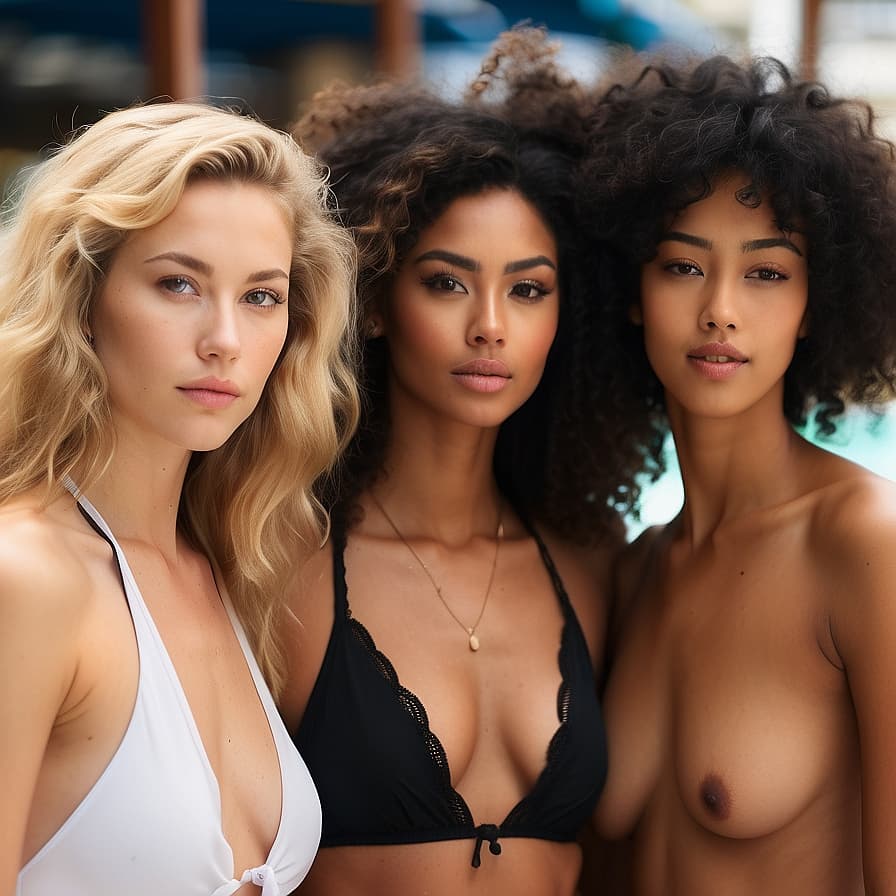




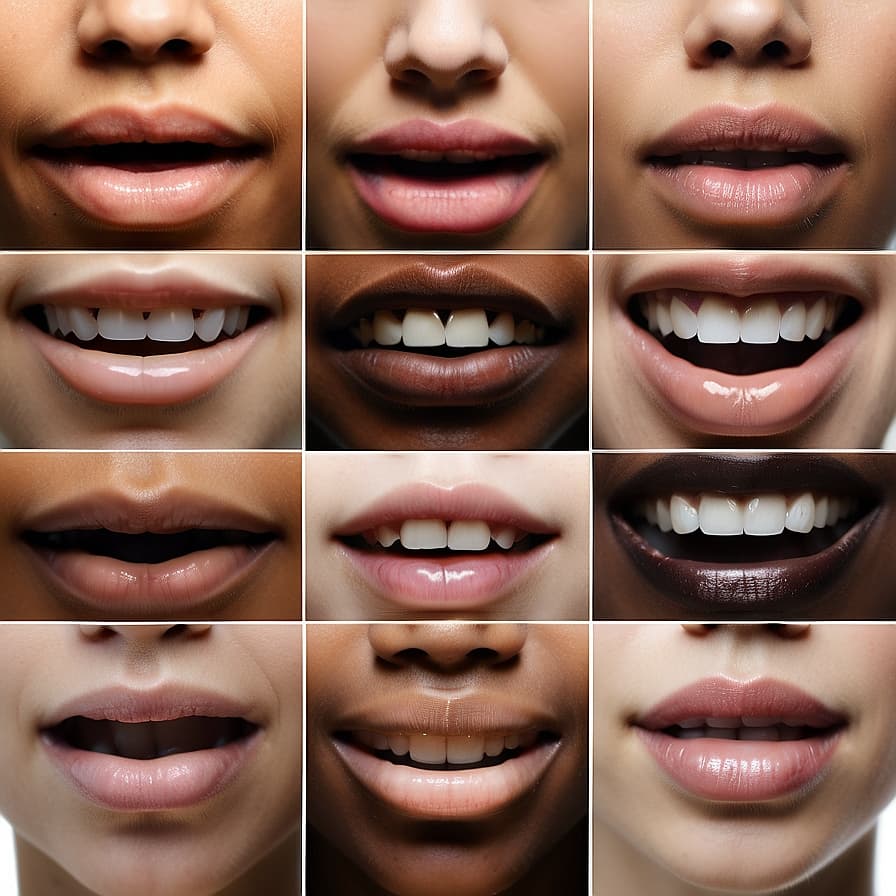
Generate Madurese AI Content
Use this ethnicity's phenotype data to create AI-generated content with accurate physical traits and cultural context.
Open Creator Studio