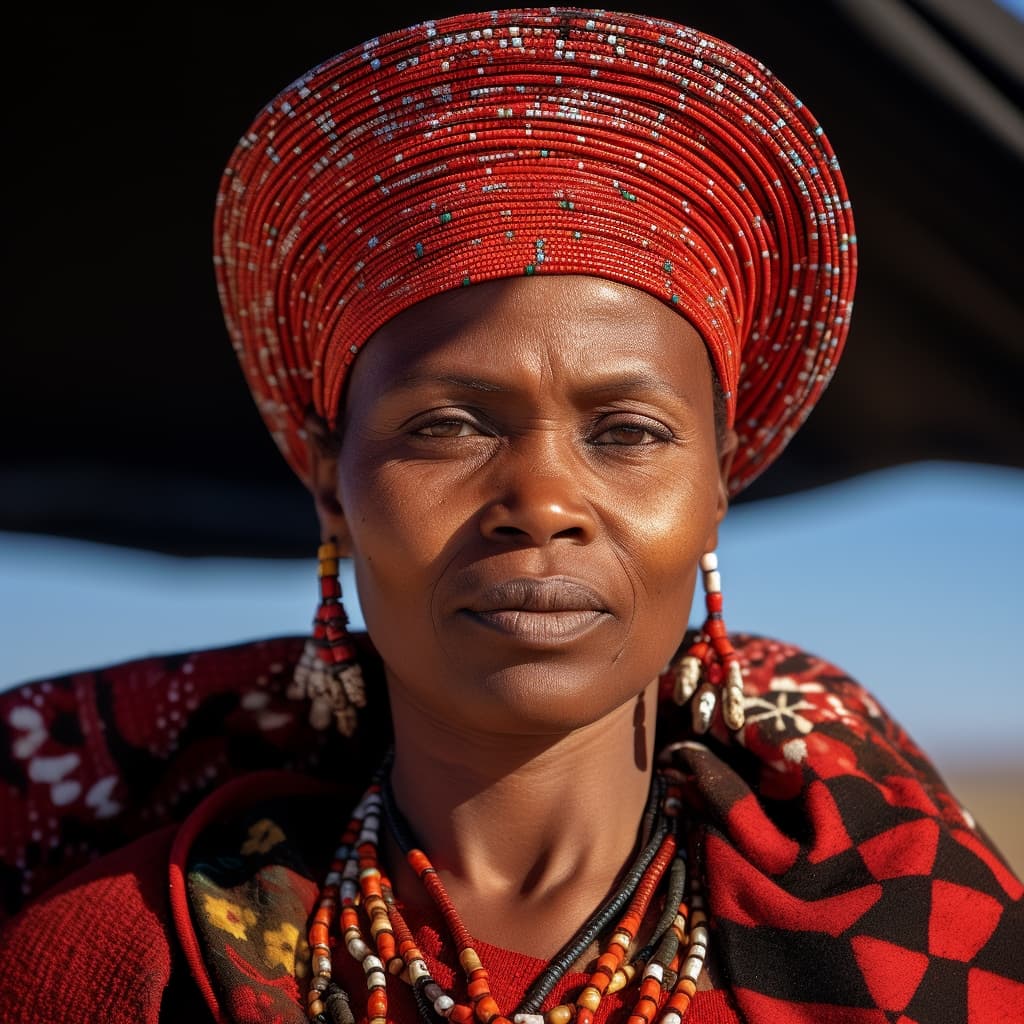
Kalanga Erotic
Zimbabwe, Botswana
Niger–Congo / Bantu / Shona / Kalanga
Christianity
Nambya
Southern Africa
About Kalanga People
The Kalanga are a Bantu-speaking people of the dry country straddling southwestern Zimbabwe and northeastern Botswana — the granite kopjes, mopane woodland, and seasonal rivers of the Limpopo–Shashe basin. Their name stays close to home, but their reach in the historical record is outsized: the stone city of Great Zimbabwe and its successor states at Khami and Danangombe were built within Kalanga territory, and the Kalanga claim a direct cultural inheritance from the people who raised those walls. That inheritance is not symbolic. The dressed-stone craftsmanship, the rain-cult institutions tied to the Mwali (Mwari) shrine in the Matobo Hills, and the ritual vocabulary of kingship survived the fall of the dzimbahwe and continued under later polities.
The language, ChiKalanga, sits inside the broad Shona cluster of Bantu but is treated locally — and increasingly by linguists — as a distinct language rather than a Shona dialect. The two are mutually intelligible only in patches, and Kalanga speakers are emphatic about the difference. The Nambya, in the Hwange area near Victoria Falls, speak a closely related variety and are usually counted as a Kalanga sub-group, though they hold a separate historical identity rooted in the Nambya kingdom that broke off from the Rozvi state. In Botswana, Kalanga is one of the larger minority languages, spoken across the North-East District around Francistown, and has been the focus of long-running advocacy for recognition in schooling and public life.
Christianity — mostly mainline Protestant, with a strong presence of African Independent churches — is the dominant religious affiliation, but the Mwali shrine at Njelele and other Matobo sites still draw pilgrims, and the rain-petitioning cycle remains active. The two systems coexist rather than compete; a household will keep both. Kalanga social organization is patrilineal, with totem (mitupo) avoidance regulating marriage across clans, and the totem itself functioning as a kind of portable lineage record across borders the colonial map drew through Kalanga country.
Two political shocks shape the modern community's memory: the nineteenth-century Ndebele expansion under Mzilikazi, which absorbed many Kalanga into the Ndebele state and pushed the language toward retreat in parts of Matabeleland; and the Gukurahundi violence of the early 1980s in southwestern Zimbabwe, which fell heavily on Kalanga-speaking districts. Both episodes are why the centre of gravity for Kalanga cultural revival now sits as much in Botswana as in Zimbabwe.
Typical Kalanga Phenotypes
Reference for AI generation — hair, eyes, skin, facial structure, build
The Kalanga belong to the Bantu-speaking populations of the Limpopo–Zambezi corridor, and their phenotype sits within the Southern African Bantu range — closely related in appearance to neighboring Shona, Venda, and Northern Sotho populations, with subtle visible distinctions from the Nguni groups further south and the Tswana to the west.
Hair is uniformly Type 4 — tightly coiled, dense, and dark. Natural color is near-universally black or very dark brown, often with a faint reddish cast under strong sun. Texture leans toward the tighter end of the coil spectrum (4B–4C), with the soft "peppercorn" pattern visible on close-cropped scalps in older men. Premature graying at the temples is common from the late thirties onward.
Eye color is overwhelmingly dark brown to near-black, with lighter hazel tones rare but documented. Eyelids are typically open and almond-shaped without an epicanthic fold; lashes are dense and tightly curled. The brow ridge tends to be moderate rather than heavy.
Skin tone spans Fitzpatrick V to VI, clustering toward the deeper end — warm brown to deep umber, with reddish-bronze and cool blue-black undertones both well represented. The cool, ashy undertone is more frequent in northeastern Botswana populations, while a warmer, redder cast is more common around Plumtree and the Bulilima district.
Facial structure shows a moderately broad nose with a medium-low bridge and rounded alar base — generally narrower than West African averages but broader than East African norms. Lips are full but not maximally so, with a well-defined cupid's bow. Cheekbones are prominent and high-set; jawlines tend toward squared rather than tapered, giving faces a balanced, architectural quality.
Build is typically lean and long-limbed, with stature averaging around 168–172 cm in men and 158–162 cm in women. Shoulders are moderate, hips and glutes pronounced in women, and musculature wiry rather than bulky. The Nambya branch in northwestern Zimbabwe trends slightly shorter and rounder-faced, reflecting historical contact with Tonga and Nambya-Leya populations along the Zambezi.
Data depth
0/100Coverage of image-grounded phenotype observations · drives AI generation diversity
- Sample size
- 0/40· 0 images
- Image quality
- 0/30· 0% high
- Confidence
- 0/20
- Source diversity
- 0/10
- ·No image observations yet
Explore phenotype categories
Structured taxonomy with peer-reviewed scales · 22 anatomical categories
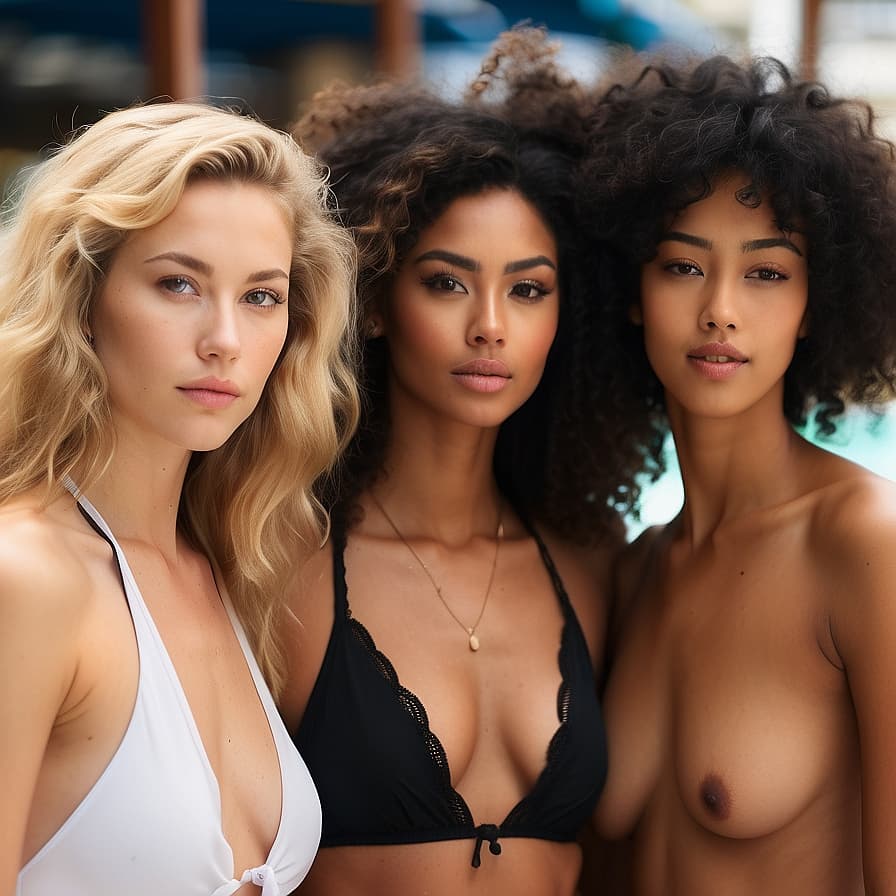
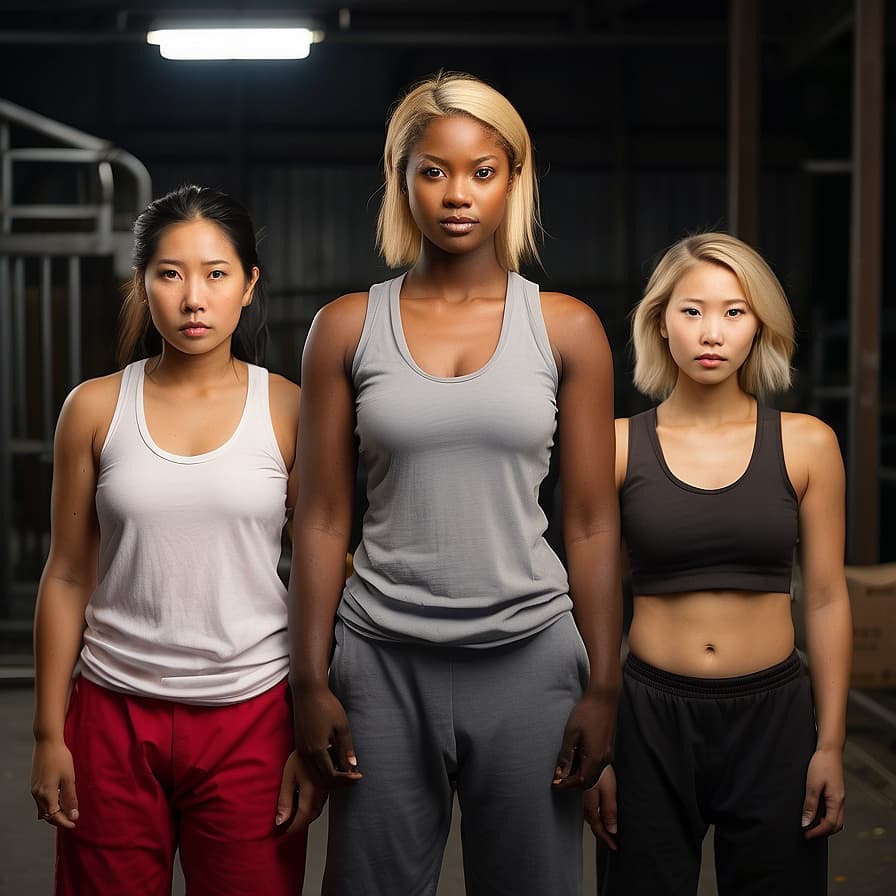

Generate Kalanga AI Content
Use this ethnicity's phenotype data to create AI-generated content with accurate physical traits and cultural context.
Open Creator Studio