Pardo Brazilian Erotic
Homeland
Brazil
Region
South America
About Pardo Brazilian People
Pardo Brazilians comprise the single largest self-identified group in Brazil at approximately 45.6% of the population per the 2022 IBGE census. The category encompasses people of mixed European, African, and Indigenous ancestry — principally Portuguese × West/Central African × Tupi-Guarani Indigenous, in proportions that vary widely by region. Genome-wide studies (Pena et al. 2011) show that even self-identified pardo individuals carry highly variable ancestry: a pardo person from the Northeast may carry 40-50% African ancestry while a pardo person from the South may carry only 10-15%, with European ancestry highest in the South and Indigenous ancestry highest in the North. The category is sometimes glossed in English as 'mixed-race' but is a recognized ethno-racial identity in Brazilian usage, not just a residual.
Typical Pardo Brazilian Phenotypes
Reference for AI generation — hair, eyes, skin, facial structure, build
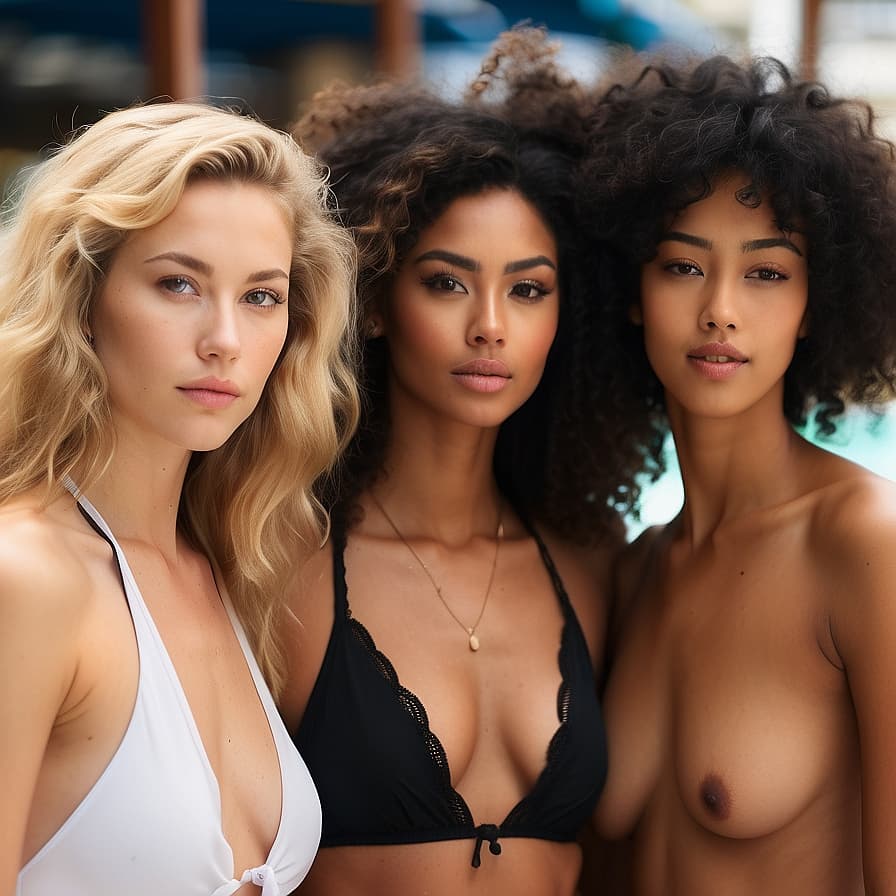
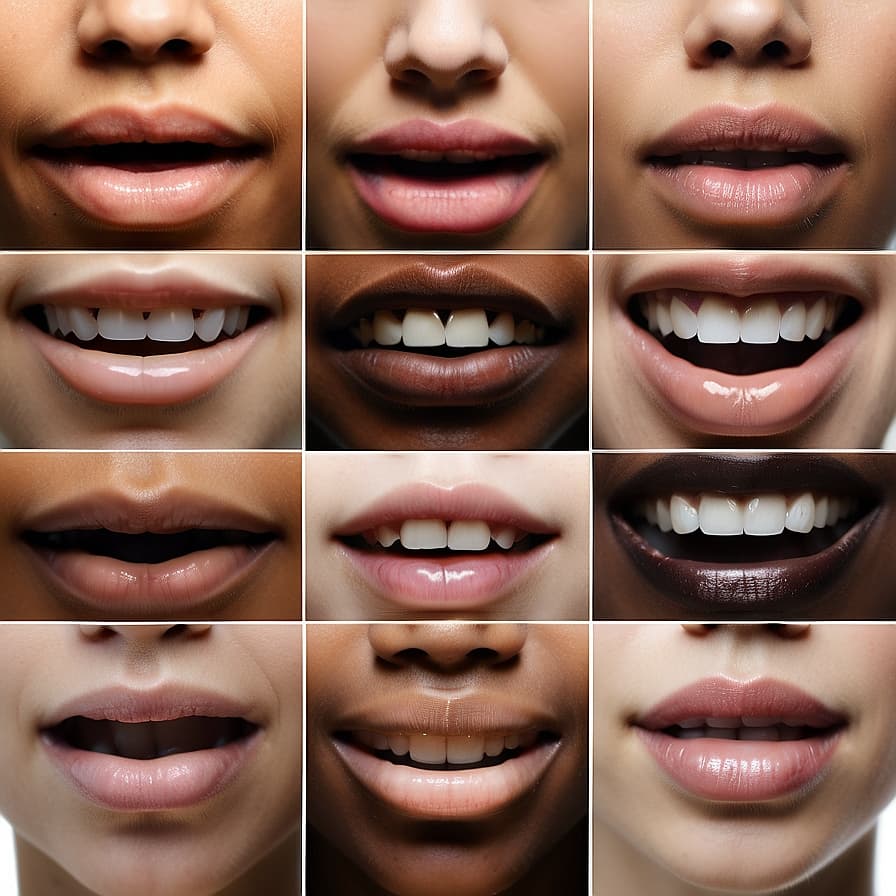
Skin tone in the Pardo Brazilian population spans Fitzpatrick II through V, with III-IV the modal range nationally and significant regional variation (II-III in the South, IV-V in the Northeast). Hair texture spans the full Andre Walker range from straight (1A-1B) through wavy and curly (2A-3C), with coily textures (4A-4C) more common in Northeastern and Northern regions reflecting higher African ancestry; coloration is predominantly dark brown to black with naturally lighter shades emerging in higher-European-ancestry families. Facial features are highly variable — broader nasal bases, fuller lips, and Indigenous Mesoamerican-Andean features (epicanthic folds at lower frequency, prominent cheekbones) commingle with European features (narrower nasal bridges, oval-to-rectangular faces) in proportions that track ancestry. Eye color is most often brown, with lighter variants (hazel, green, blue) at higher frequency in higher-European-ancestry populations. Build varies; the population is on average somewhat shorter than the white-Brazilian average, reflecting higher Indigenous and African ancestry contributions and historical socioeconomic stratification.
Explore phenotype categories
Structured taxonomy with peer-reviewed scales · 22 anatomical categories



Generate Pardo Brazilian AI Content
Use this ethnicity's phenotype data to create AI-generated content with accurate physical traits and cultural context.
Open Creator Studio