Afro-Bolivian Erotic
Homeland
Bolivia (Yungas, La Paz Department)
Region
South America
About Afro-Bolivian People
Afro-Bolivians are descendants of enslaved Africans brought to colonial Upper Peru (modern Bolivia) primarily in the 16th-18th centuries to work the Potosí silver mines and, after the population proved unsuited to the high-altitude mining environment, the lowland Yungas coca and citrus plantations. The community is concentrated in the Yungas region of La Paz Department (the towns of Tocaña, Mururata, Chicaloma, and Coroico), with smaller communities in other Yungas valleys and in El Alto and La Paz. The community uniquely retains a hereditary king (the 'Afro-Bolivian king' lineage centered at Mururata, recognized by the Bolivian state). Long demographically and politically marginalized, Afro-Bolivians received constitutional recognition in the 2009 Plurinational Constitution.
Typical Afro-Bolivian Phenotypes
Reference for AI generation — hair, eyes, skin, facial structure, build
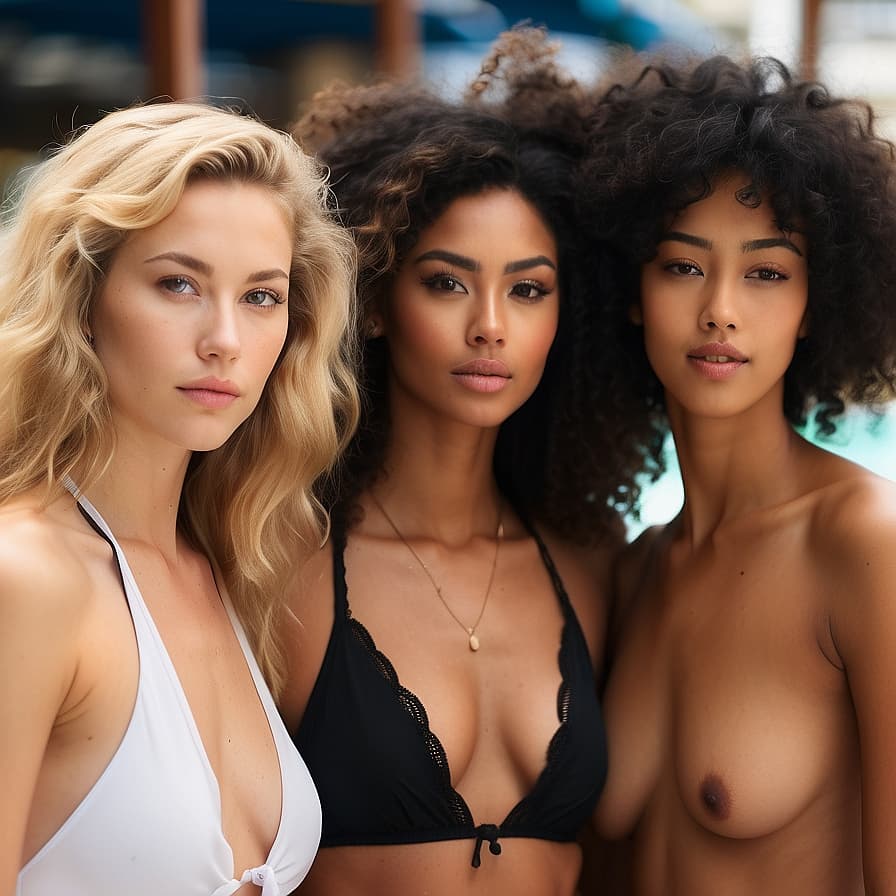
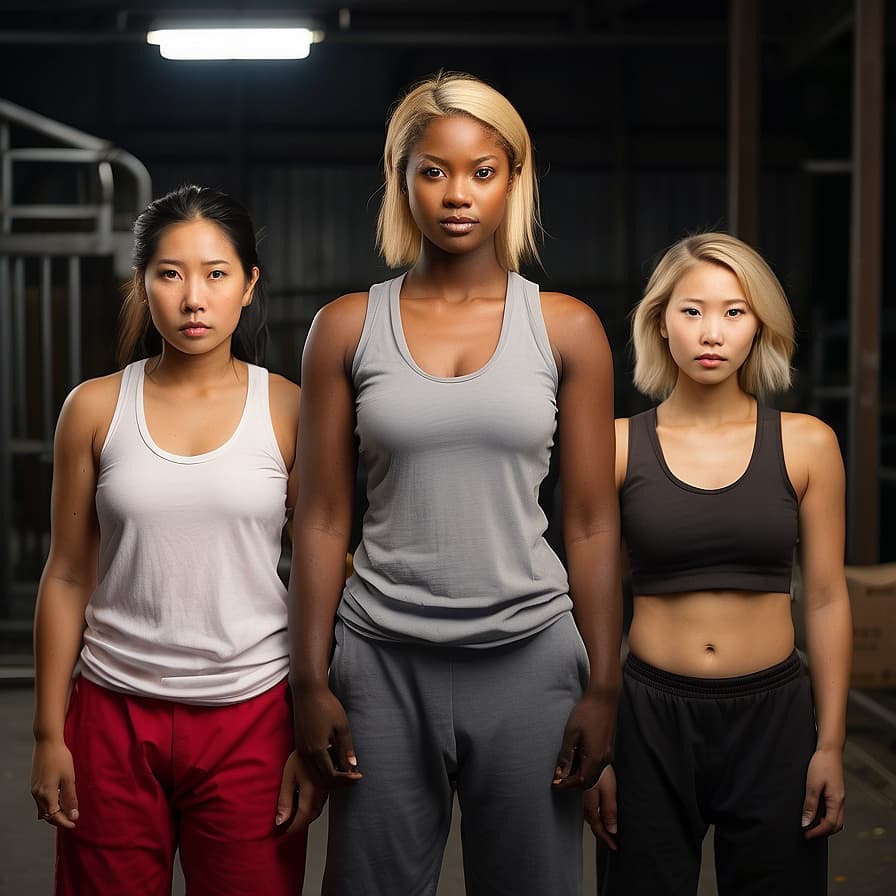
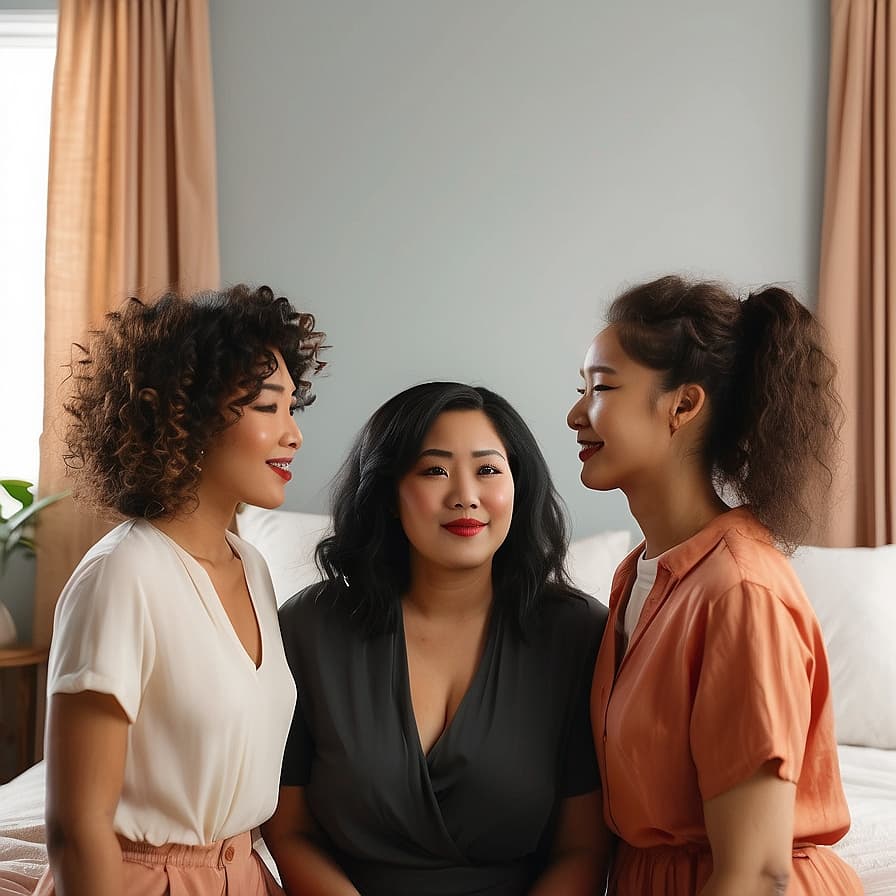
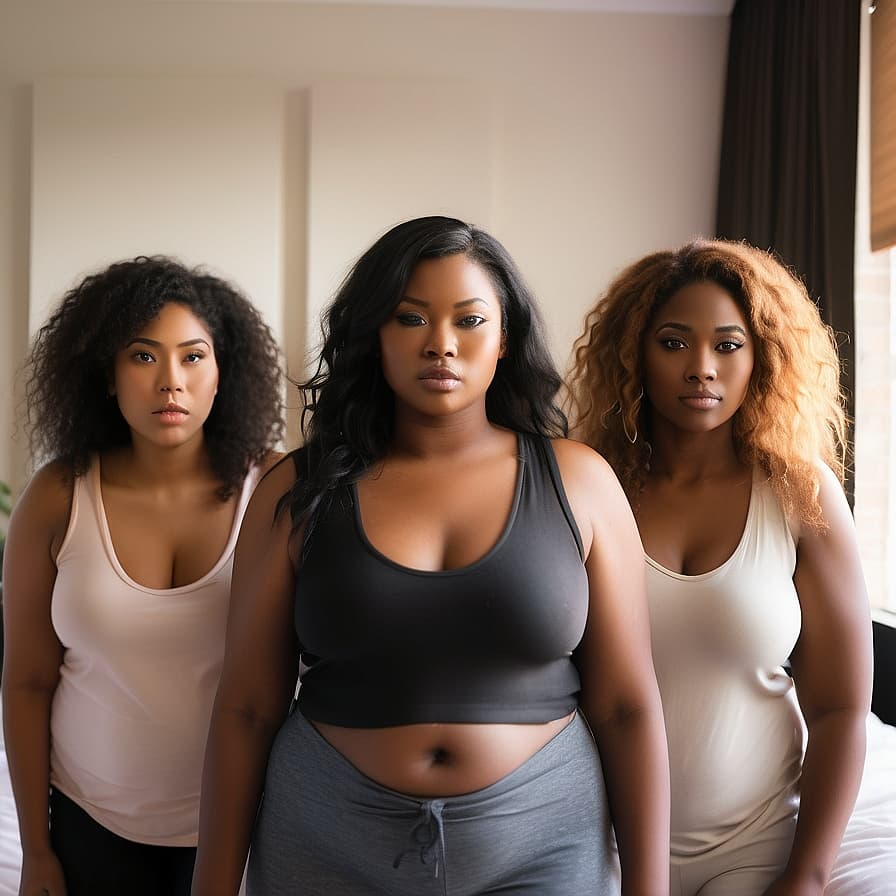
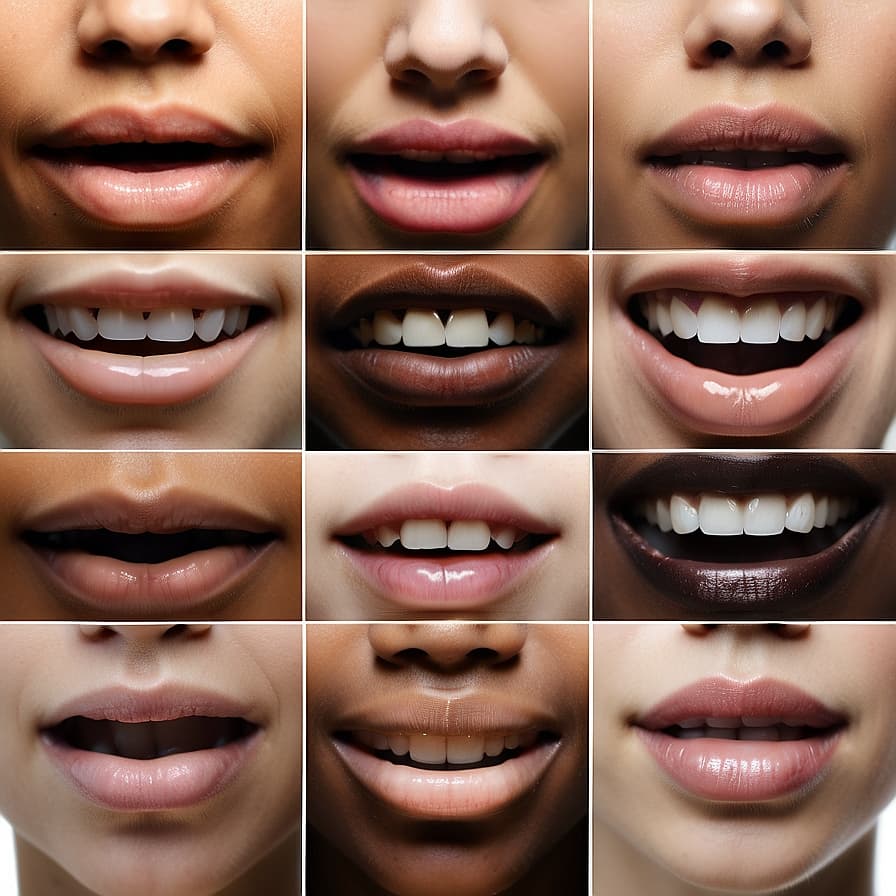
Skin tone spans Fitzpatrick IV-VI with V the modal range. Hair texture is most often Andre Walker 3A-4C — curly to coily — with hair color predominantly black or very dark brown. Facial features include broader nasal bases, fuller lips, and rounded face shapes characteristic of West and Central African source populations, with substantial Aymara admixture in some Yungas communities producing intermediate phenotypes. Eye color is predominantly brown to dark brown. Build varies. The cultural retention of distinct Afro-Bolivian institutions despite small population size (the saya music and dance tradition, the king lineage) is genealogically and ethnographically significant.
Explore phenotype categories
Structured taxonomy with peer-reviewed scales · 22 anatomical categories
Generate Afro-Bolivian AI Content
Use this ethnicity's phenotype data to create AI-generated content with accurate physical traits and cultural context.
Open Creator Studio