Nubian Erotic
Homeland
Egypt and Sudan (Nubia)
Region
North Africa
About Nubian People
Nubians comprise approximately 0.5% of the Egyptian population — approximately 500,000+, plus the substantial cross-border Nubian community in Sudan (~1M+, separately enumerated under SD). Concentrated in southern Egypt along the Nile (the historic Nubian territory, with substantial post-1960s relocation to Kom Ombo and other relocation sites following the 1964-1971 Aswan High Dam construction that flooded most of historic Lower Nubia in Egypt and Upper Nubia in Sudan, displacing approximately 100,000+ Nubians). The Nubian languages (Nobiin, Kenuzi-Dongola, Mahas) are part of the Eastern Sudanic / Nilo-Saharan language family, distinct from Arabic. The Nubian ethnogenesis traces to the ancient Kingdom of Kush (~2000 BCE - 350 CE) and subsequent Christian Nubian kingdoms (Makuria, Alodia, Nobatia) before the gradual Islamization and Arabization of the Nubian region from approximately the 14th c. CE.
Typical Nubian Phenotypes
Reference for AI generation — hair, eyes, skin, facial structure, build
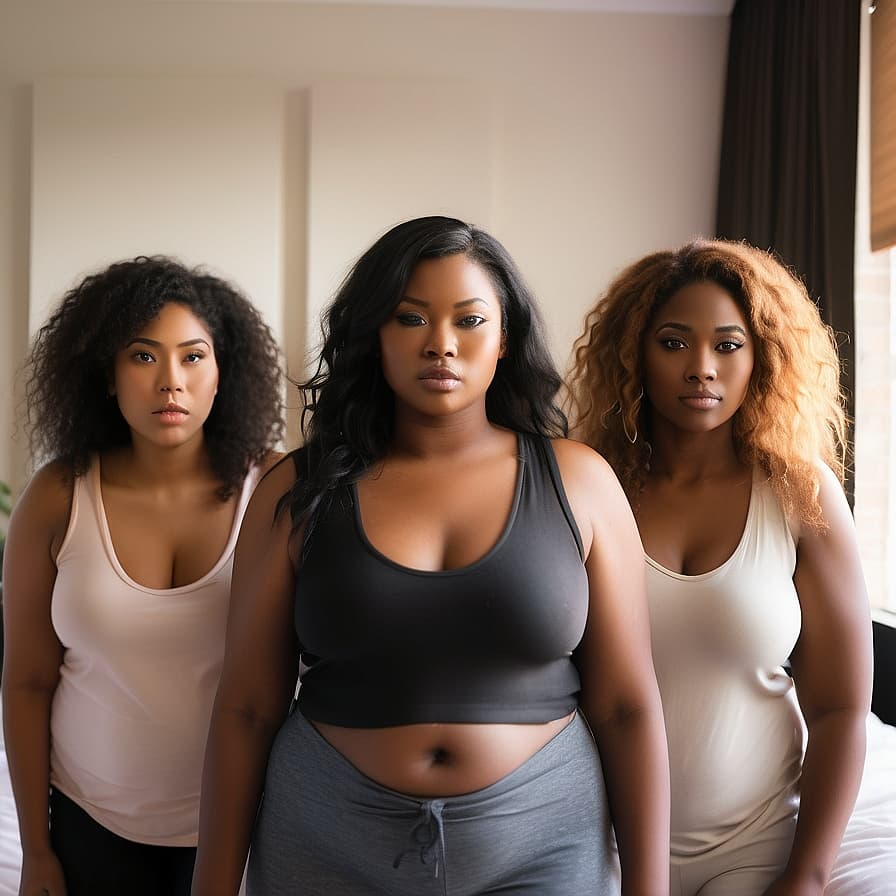
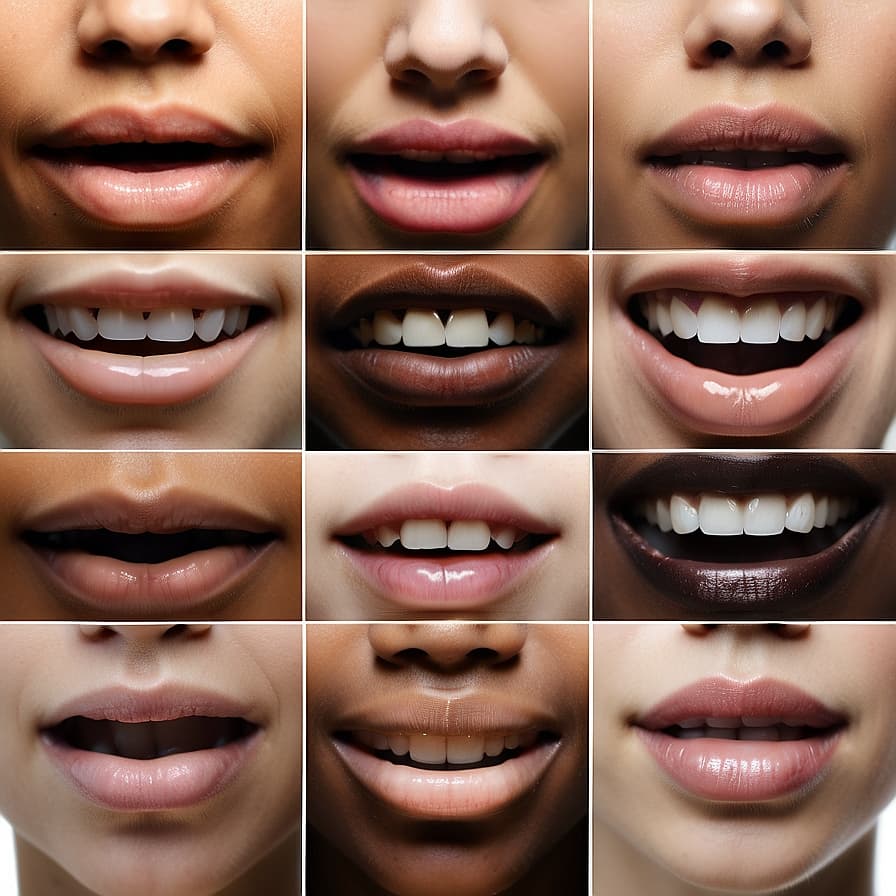
Skin tone is predominantly Fitzpatrick V-VI with V-VI the modal value — substantially darker than broader Arab-Egyptian populations, reflecting the Sub-Saharan African source-population substrate of the Nubian region. Hair texture is most often Andre Walker 3A-4A — curly to coily — distinct from the predominantly straight-to-wavy hair of broader Arab-Egyptian populations. Hair color is uniformly black or very dark brown. Facial features track Nilo-Saharan / North-East-African source populations: broader nasal bases, fuller lips, oval face shapes. Eye color is uniformly brown to dark brown. Build is typically taller and more robust than broader Egyptian populations — adult Nubian males average approximately 175-178 cm. Within-population variance is moderate; the various Nubian sub-populations show subtle phenotype differentiation.
Explore phenotype categories
Structured taxonomy with peer-reviewed scales · 22 anatomical categories
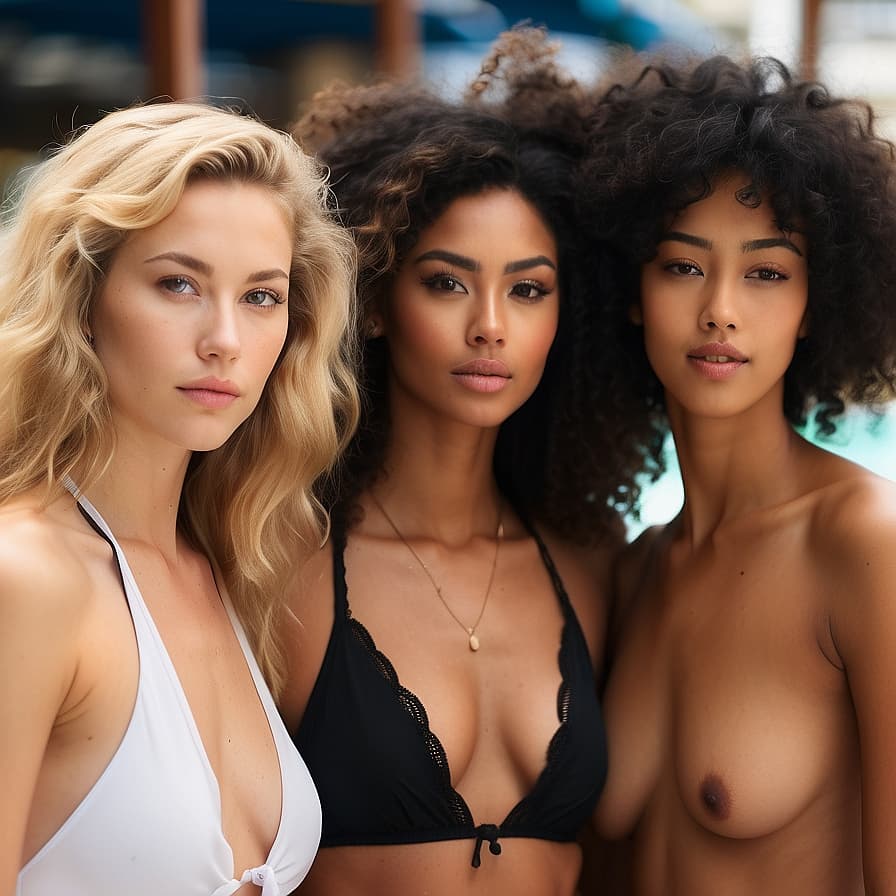
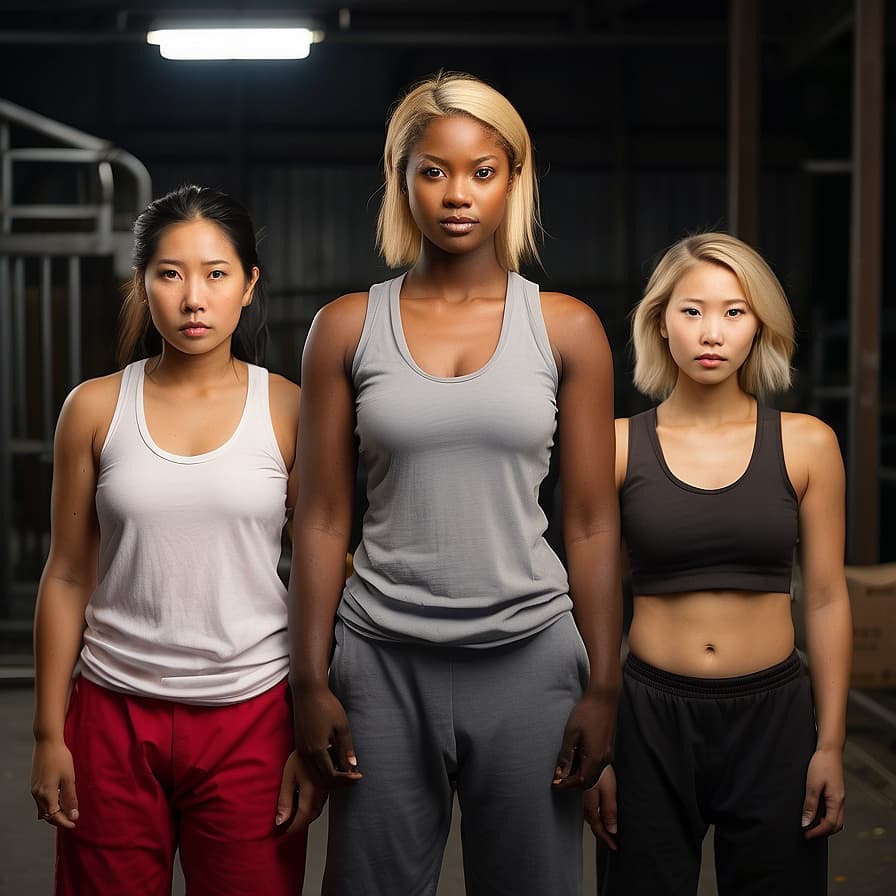
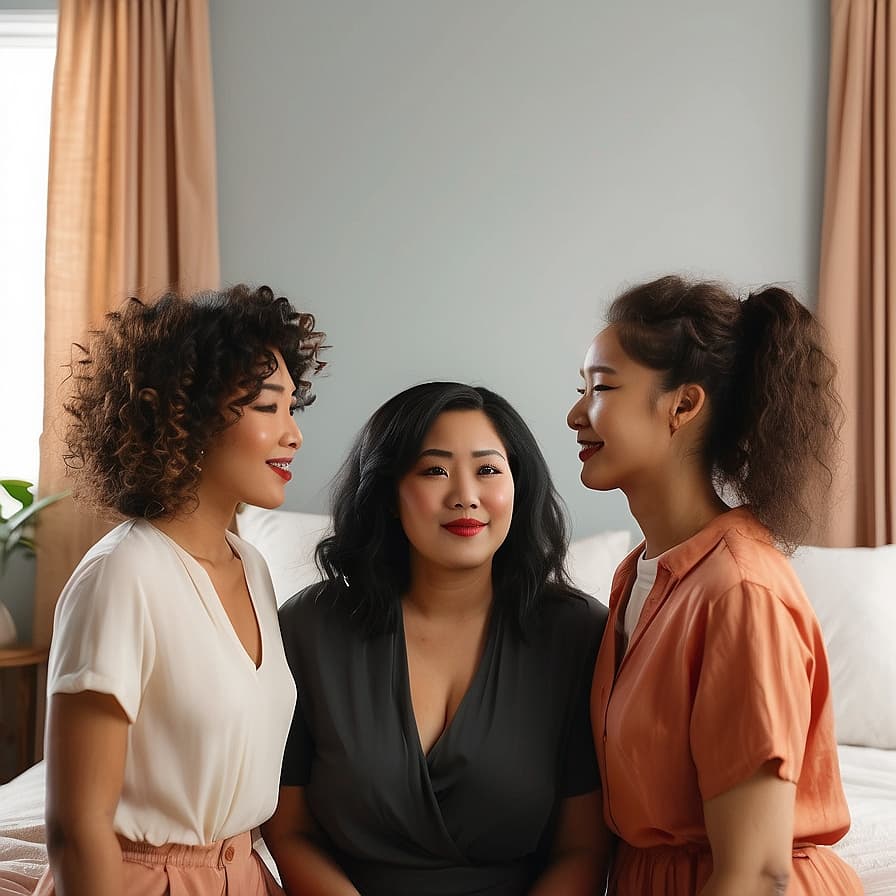
Generate Nubian AI Content
Use this ethnicity's phenotype data to create AI-generated content with accurate physical traits and cultural context.
Open Creator Studio