Hazara Erotic
Homeland
Afghanistan (Hazarajat)
Region
South Asia
About Hazara People
Hazaras comprise approximately 9% of the Afghanistan population — the third-largest ethnic group, concentrated in central Afghanistan (Hazarajat — Bamiyan, Daikundi, plus parts of Wardak, Ghor, Ghazni, Uruzgan provinces) plus the substantial Hazara community in Kabul (where Hazaras comprise approximately 25-30% of the city population). The Hazara are predominantly Twelver Shia Muslim (distinct from the Sunni-majority Pashtun and Tajik populations), with smaller Ismaili Shia and Sunni Hazara sub-populations. The Hazaragi dialect of Persian is closely related to Tajik / Dari with substantial Mongolic and Turkic loanwords. Genome-wide studies place Hazaras as showing approximately 50-60% East Asian / Mongol-Turkic ancestry and 40-50% West Eurasian ancestry — the only major Afghan ethnic group with substantial East Asian source-population ancestry, consistent with the historical claim of Hazara descent from Mongol military settlers from the 13th-c. CE Mongol conquest. Hazara appearance, language features, and historical origins are subject to substantial scholarly debate. The community has been subject to documented ethnic-religious persecution: the 1893 Abdur Rahman Khan campaigns (estimated 60% of the Hazara population was killed or displaced in late-19th c. campaigns); the 1990s Taliban-era genocide including the 1998 Mazar-i-Sharif massacre (estimated 2,000-8,000 Hazara civilians killed) and the 2001 Yakaolang massacre; the 2010s ISIS-K bombings of Hazara civilian targets in Kabul (the 2021 Sayed Ul-Shuhada High School bombing killed 90 students, predominantly Hazara girls); and the post-2021 Taliban-resurgence violence including documented displacement and arbitrary detention.
Typical Hazara Phenotypes
Reference for AI generation — hair, eyes, skin, facial structure, build
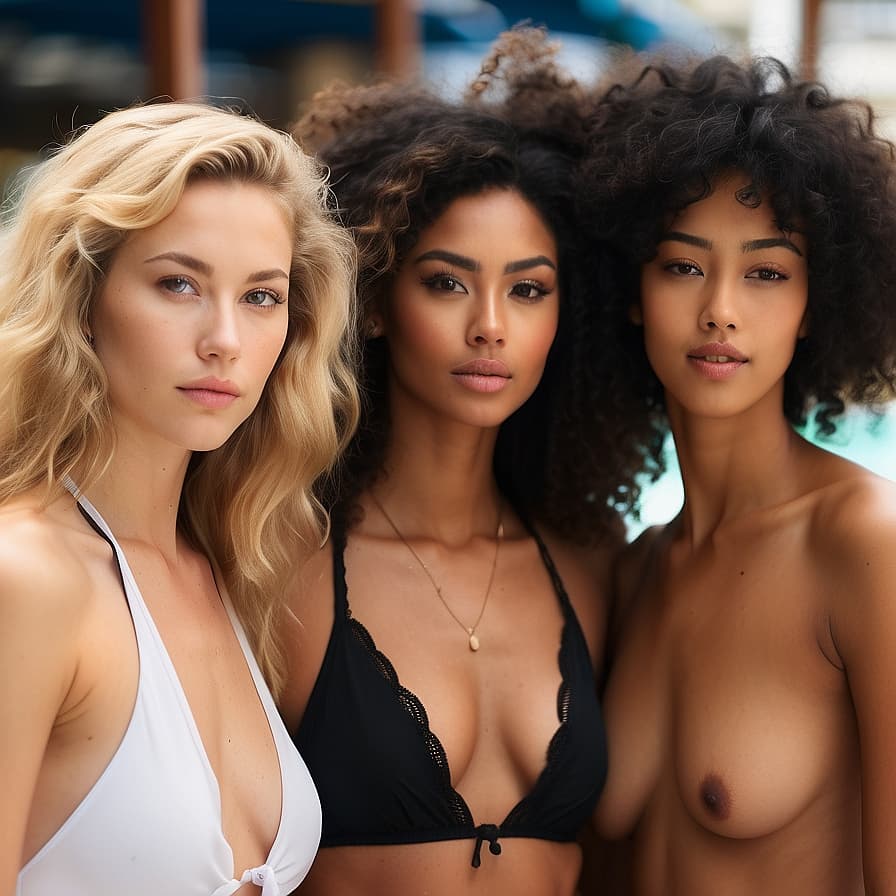
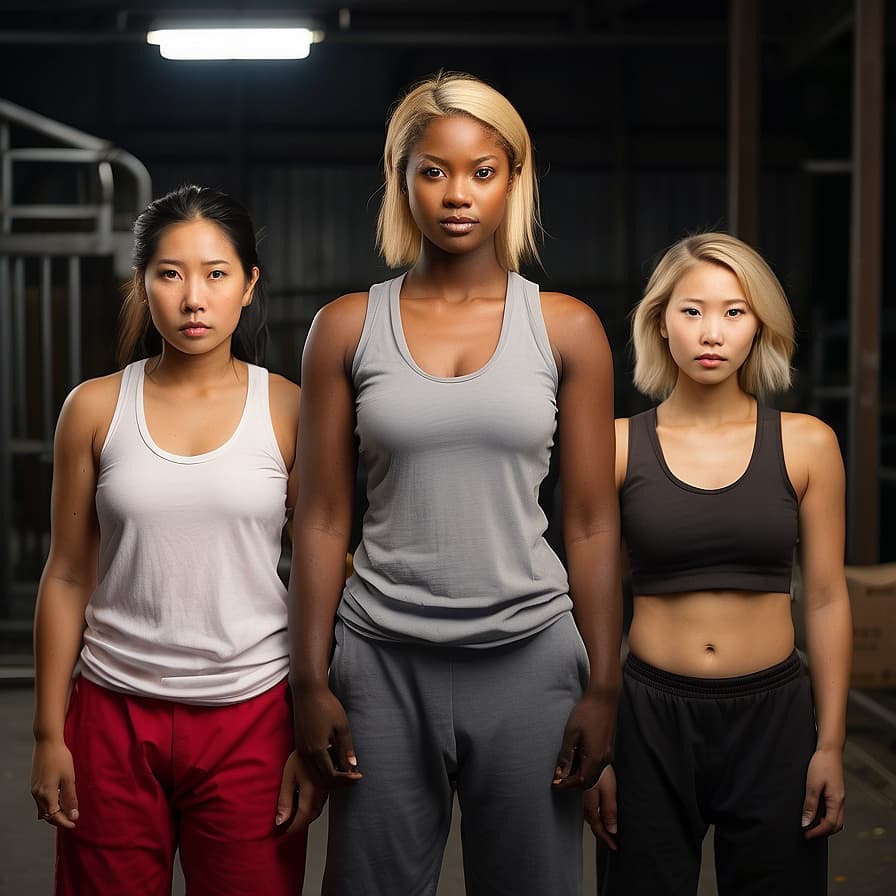
Phenotype distribution shows characteristic features distinct from broader Afghan populations — among the most distinctive ethnic-phenotype distributions in Afghanistan and South Asia. Skin tone is Fitzpatrick II-III with II-III the modal value — among the lighter-skinned Afghan populations, similar to or slightly lighter than Pashtuns and Tajiks. Hair texture is uniformly straight (Andre Walker 1A-1B), uniformly black to very dark brown. Facial features track Mongolic / Turkic-Mongol-admixed source populations: epicanthic-fold variants very common (more frequent than in Tajik or Pashtun populations, similar to Kazakh / Kyrgyz / broader Central Asian Turkic populations), broader-than-Iranian / narrower-than-East-Asian nasal bridges, oval-to-rounded face shapes with prominent cheekbones (the broader 'Mongolic' face shape is the most distinctive Hazara phenotype feature). Eye color is predominantly brown with elevated frequencies of hazel and lighter variants. Build is robust; adult Hazara male mean stature is approximately 168-172 cm in 2010s-2020s cohorts.
Explore phenotype categories
Structured taxonomy with peer-reviewed scales · 22 anatomical categories


Generate Hazara AI Content
Use this ethnicity's phenotype data to create AI-generated content with accurate physical traits and cultural context.
Open Creator Studio