Afro-Haitian Erotic
Homeland
Haiti
Region
Caribbean
About Afro-Haitian People
Afro-Haitians comprise approximately 95% of the Haitian population — the most demographically homogeneous African-descended national population in the Americas. The community descends from approximately 800,000+ enslaved Africans brought to French colonial Saint-Domingue between the 1660s and 1791, with source populations concentrated in West Africa (Fon and other Aja-language speakers from modern Benin and Togo, Yoruba, Akan, Igbo) and Central Africa (Bantu-language Kongo and adjacent populations). Saint-Domingue was the most lucrative colony in the Caribbean, producing approximately 40% of European sugar consumption by the 1780s, sustained by an enslaved population that vastly outnumbered the colonial European and free-mulatto population. The 1791-1804 Haitian Revolution produced the world's first independent Black republic and the only successful slave revolution in modern history. The post-revolutionary population has remained overwhelmingly Afro-descended due to revolutionary-era violence and emigration of the colonial European population, plus subsequent very limited immigration from non-African source regions. Cultural traditions including Vodou (Afro-Haitian religious syncretism with strong Fon and Yoruba elements), Haitian Creole (a French-lexified creole with West African substrate), Haitian compas and rara musical traditions, and distinct cuisine reflect the strong continuity with West and Central African source populations.
Typical Afro-Haitian Phenotypes
Reference for AI generation — hair, eyes, skin, facial structure, build
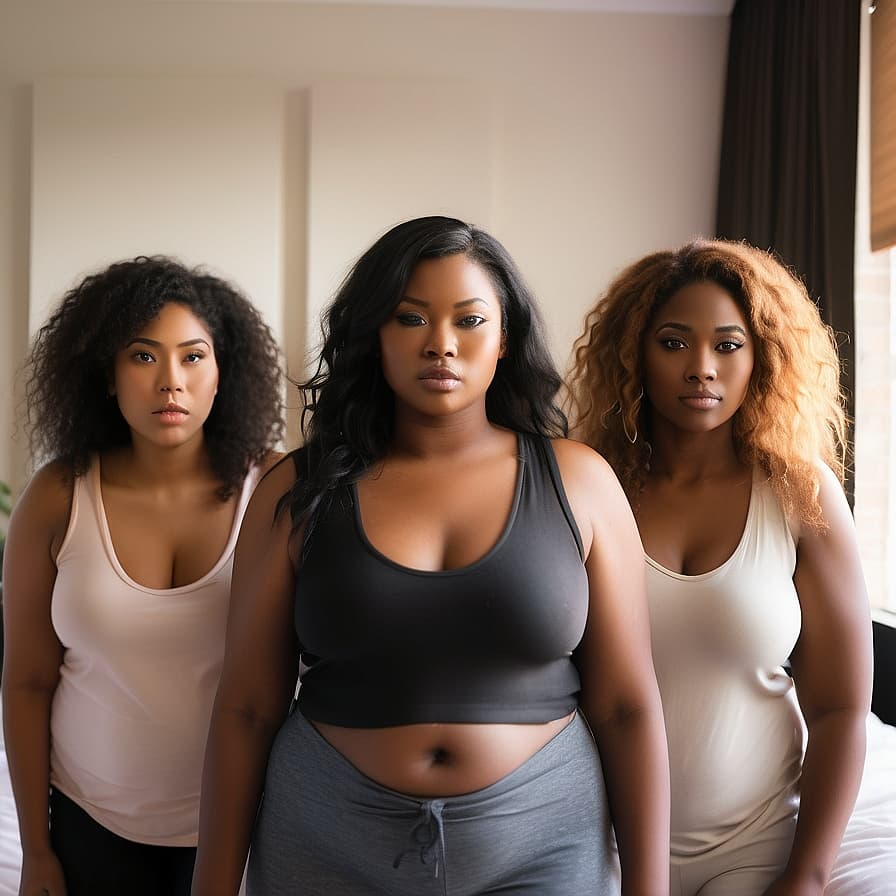
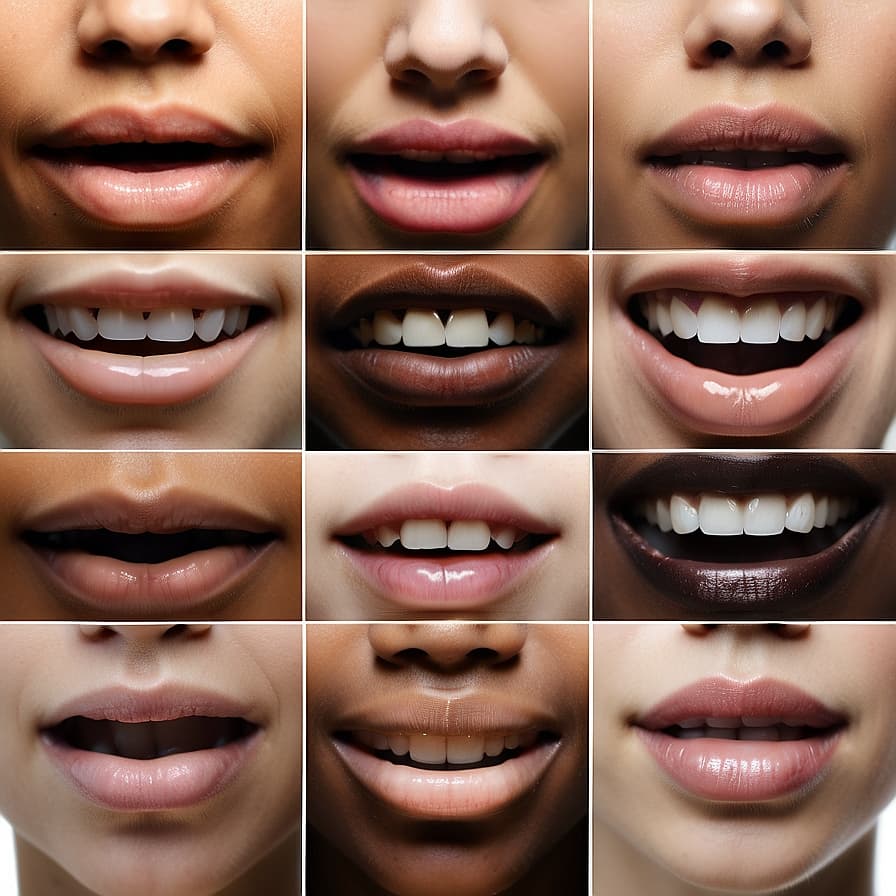
Skin tone is predominantly Fitzpatrick V-VI with VI the modal range. Hair texture is overwhelmingly Andre Walker 4A-4C — coily — with hair color uniformly black or very dark brown. Facial features include broader nasal bases, fuller lips, and rounded face shapes characteristic of West and West-Central African source populations. Eye color is predominantly brown to dark brown. Build varies. The Haitian population shows somewhat higher genetic homogeneity than admixed Afro-Caribbean populations of Cuba, Puerto Rico, or the Dominican Republic, reflecting the demographic processes of the post-revolution century when immigration was limited and the founding African population was relatively concentrated. Within-population variance is moderate, with subtle regional and ethnic-source-population differences reflecting the original West-African vs Central-African source-region distinctions.
Explore phenotype categories
Structured taxonomy with peer-reviewed scales · 22 anatomical categories
Generate Afro-Haitian AI Content
Use this ethnicity's phenotype data to create AI-generated content with accurate physical traits and cultural context.
Open Creator Studio