Ngäbe-Buglé Erotic
Homeland
Panama (western highlands)
Region
Central America
About Ngäbe-Buglé People
The Ngäbe-Buglé (formerly called Guaymí) are the largest Indigenous group in Panama and the largest Indigenous group in Central America by some counts — approximately 262,000+ in Panama per the 2010 INEC census, plus approximately 4,000+ in Costa Rica (cross-border population). Concentrated in the Comarca Ngäbe-Buglé (an autonomous territorial reserve created in 1997, covering portions of Bocas del Toro, Chiriquí, and Veraguas provinces) plus adjacent provinces. The community comprises two related but distinct peoples — Ngäbe (the larger group, ~85%) and Buglé (~15%) — who speak related Chibchan-family languages. The community maintains substantial cultural continuity in distinctive traditional dress (the brightly-colored nagua dress for women is widely recognized in Central American material culture), agricultural and hunting practice, and matrilineal social organization in some communities.
Typical Ngäbe-Buglé Phenotypes
Reference for AI generation — hair, eyes, skin, facial structure, build
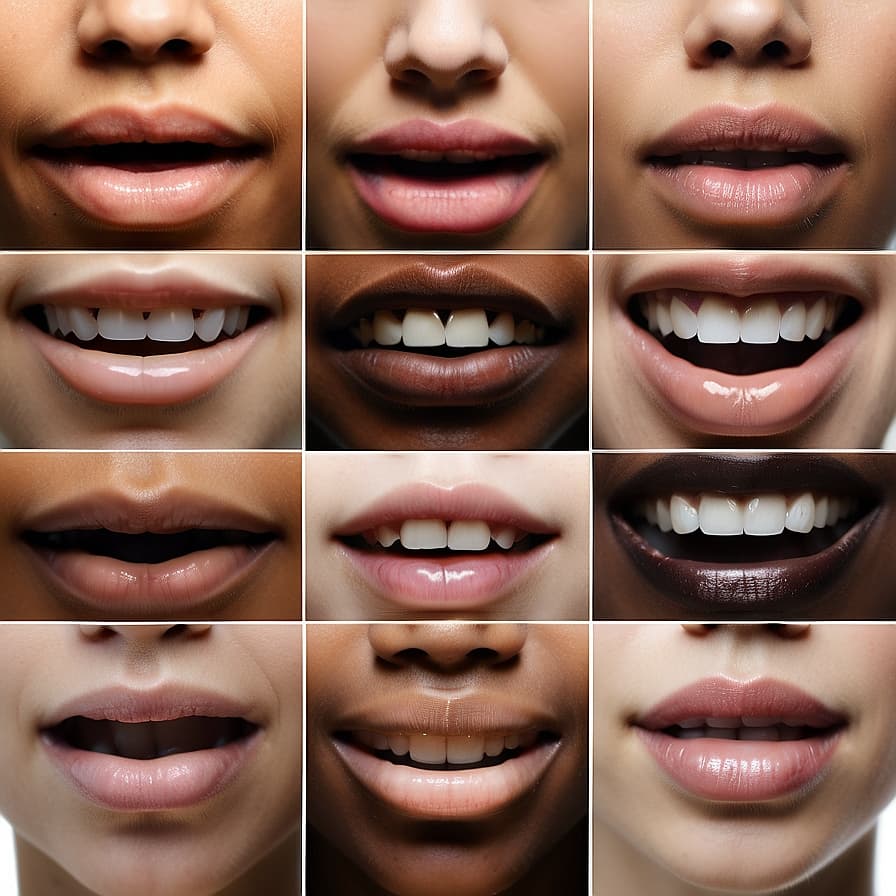
Skin tone is predominantly Fitzpatrick III-IV with copper-bronze undertone characteristic of Chibchan-language Indigenous populations. Hair is uniformly straight (Andre Walker 1A-1B), uniformly black to very dark brown. Facial features include moderately broad nasal bases, full lips, and prominent cheekbones; epicanthic-fold variants present at moderate frequency. Stature is typically below the Panamanian national average — adult males average around 156-160 cm and females around 145-150 cm. Within-population variance is moderate; some highland Ngäbe communities maintain less-admixed phenotype profiles than communities in mixed Mestizo-Ngäbe-Buglé zones.
Explore phenotype categories
Structured taxonomy with peer-reviewed scales · 22 anatomical categories





Generate Ngäbe-Buglé AI Content
Use this ethnicity's phenotype data to create AI-generated content with accurate physical traits and cultural context.
Open Creator Studio